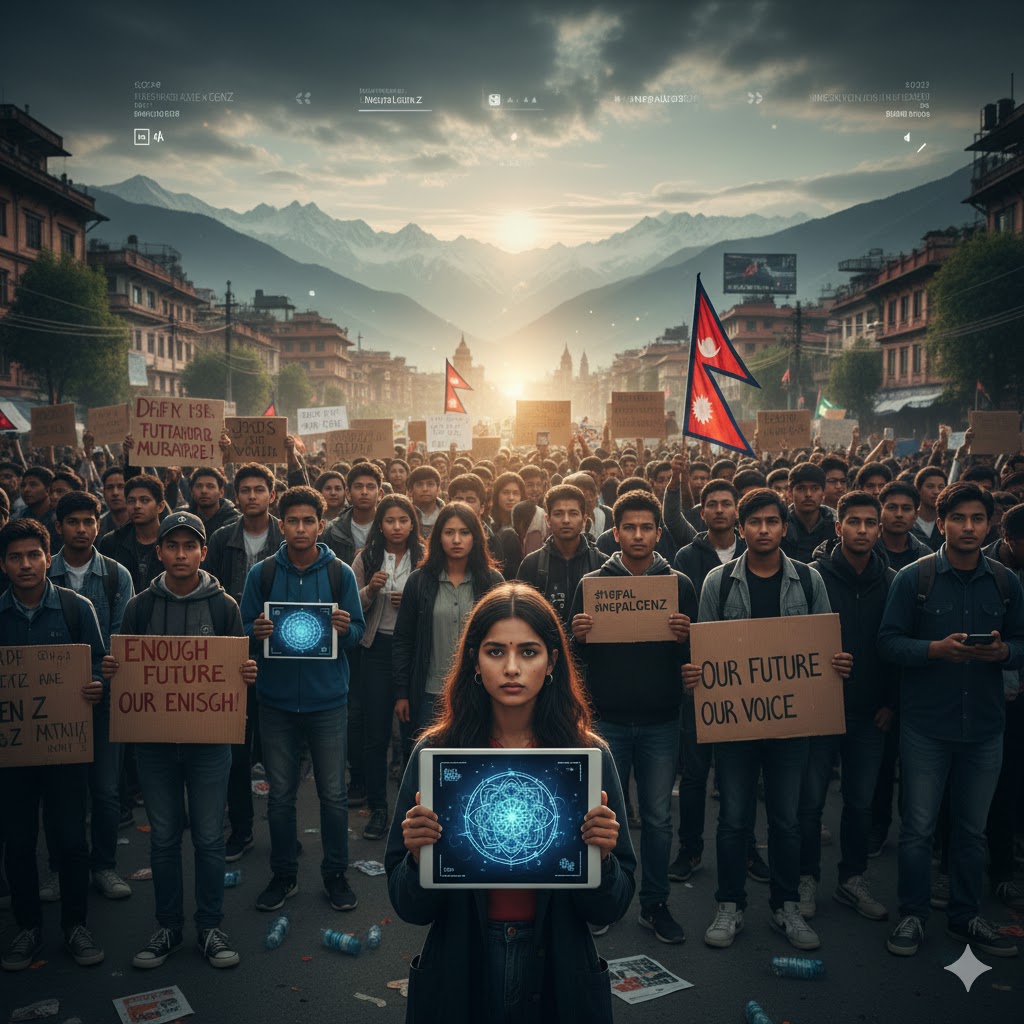
The Roar of a New Generation: Understanding Nepal's Gen Z Protests
Nepal, a nation often characterized by its stunning Himalayan landscapes and rich cultural heritage, is witnessing a new kind of seismic activity – the powerful, organized, and digitally-driven protests of its Generation Z. These aren't the traditional political rallies of past decades; they are a vibrant, articulate, and often spontaneous expression of frustration and hope, echoing the global youth movements demanding accountability and change.
What's Fuelling the Fire?
Nepal's Gen Z, broadly defined as those born from the late 1990s to the early 2010s, have grown up in a post-conflict Nepal with access to global information through the internet and social media. They are highly aware of global standards of governance, human rights, and economic opportunity. Their protests are often sparked by a confluence of issues:
-
Economic Disenchantment: High unemployment rates, underemployment, and a perception of limited opportunities at home are major drivers. Many young Nepalis feel that their education and skills are not valued, leading to a mass exodus of youth seeking jobs abroad.
-
Corruption and Nepotism: Corruption is a deeply entrenched problem in Nepal, and Gen Z is particularly vocal against the rampant "bhrastachar" (corruption) and "chakkari" (nepotism) that they believe stifle meritocracy and equitable development.
-
Governance Deficiencies: This includes everything from inefficient public services, lack of transparency, political instability, and a perceived disconnect between the ruling class and the needs of ordinary citizens.
-
Environmental Concerns: Like their global counterparts, Nepali Gen Z is increasingly concerned about climate change, pollution, and the sustainable management of natural resources.
-
Social Justice Issues: While perhaps less prominent in headline protests, there's a growing undercurrent of demand for greater inclusion, gender equality, and justice for marginalized communities.
The Digital Battlefield: Social Media as the Organizer
Unlike previous generations, Nepali Gen Z extensively leverages social media platforms like TikTok, Facebook, Instagram, and Twitter (X) to organize, mobilize, and amplify their messages.
-
Rapid Mobilization: A hashtag can turn into a street protest within hours.
-
Information Sharing: News and updates, often circumventing mainstream media, are shared instantly.
-
Creative Expression: Memes, short videos, and viral challenges become powerful tools for satire and protest.
-
Global Solidarity: They connect with global youth movements, drawing inspiration and sometimes direct support.
Notable Protests and Their Impact
While specific major incidents might vary by year, recurring themes have emerged:
-
Anti-Corruption Rallies: Many protests have focused on specific corruption scandals, demanding investigation and accountability from high-ranking officials.
-
"Enough Is Enough" Campaigns: These often emerge during periods of government inaction or mismanagement, particularly during crises like public health emergencies or economic downturns.
-
Demands for Better Governance: Calls for systematic reforms in education, healthcare, and public administration.
The impact of these protests is undeniable. They have:
-
Raised Public Awareness: Forced public discourse on critical issues that might otherwise be ignored.
-
Put Pressure on Authorities: While not always resulting in immediate policy changes, they undeniably pressure political leaders.
-
Empowered the Youth: Demonstrated the collective power of young people to voice their dissent and demand a seat at the table.
-
Shaped the Political Landscape: While not directly leading to electoral victories for youth-led parties yet, their influence on political narratives and public opinion is growing.
Challenges and the Road Ahead
Despite their energy, Nepali Gen Z protests face challenges:
-
Lack of Centralized Leadership: While agile, the decentralized nature can sometimes make sustained, long-term policy advocacy difficult.
-
Political Co-optation: There's always a risk of political actors attempting to hijack youth movements for their own agendas.
-
Sustaining Momentum: Turning spontaneous outrage into sustained movements that achieve concrete policy change requires strategic planning.
Nevertheless, Nepal's Gen Z represents a powerful demographic shift. They are educated, digitally savvy, and deeply invested in the future of their country. Their protests are not just noise; they are a clear signal that the younger generation expects more from its leaders and is willing to fight for a Nepal that lives up to its potential. The roar of this new generation is set to shape the socio-political fabric of Nepal for years to come.